
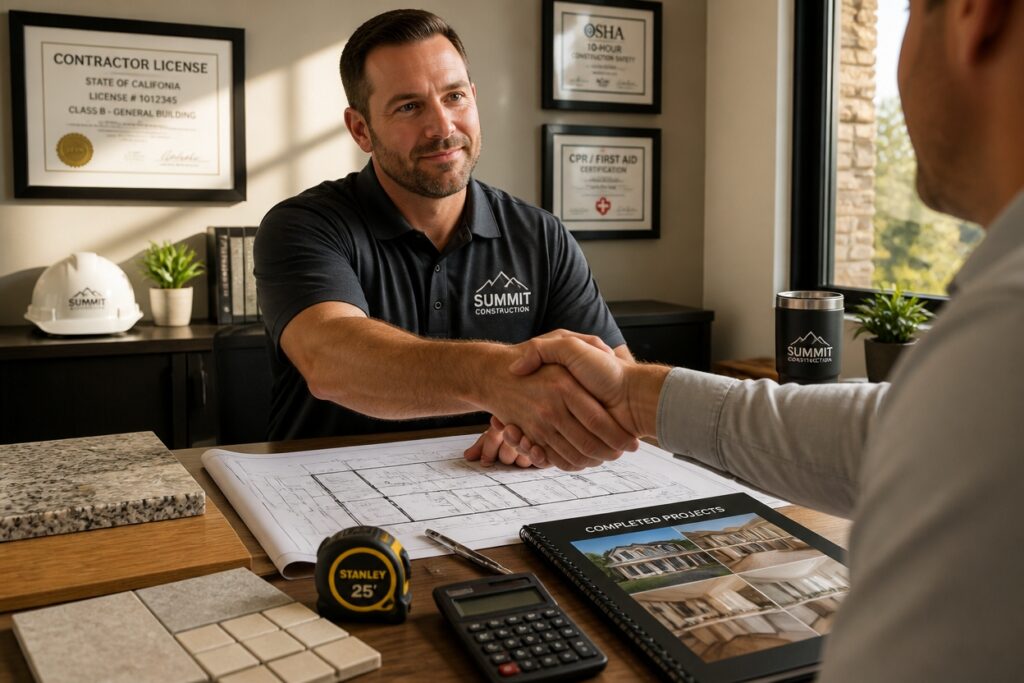
Finding the right contractor can feel overwhelming, but it doesn’t have to be. Start by checking the basics: valid licenses, solid insurance coverage, and a track record you can actually see.
Ask for detailed written estimates and don’t skip those reference calls. A clear contract upfront saves headaches later, so read every line before signing.
Watch for red flags along the way. Vague timelines, pressure to pay large sums upfront, or reluctance to put things in writing are all worth noting.
Finally, get comfortable with the payment schedule. Understanding when money changes hands keeps everyone on the same page and protects your investment from start to finish.
Check Licenses and Insurance
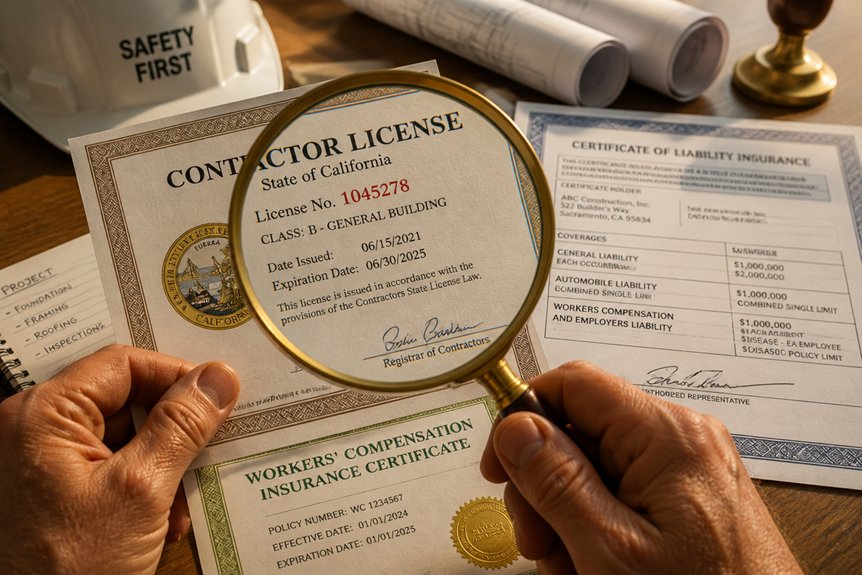
Before hiring a contractor, confirm they hold valid licenses and proper insurance. A valid license shows they meet local requirements. It also signals competence and accountability.
Insurance protects everyone if accidents or damage occur. Ask for proof of general liability coverage, workers’ compensation, and bonding.
General liability handles injuries to others and property damage. Workers’ compensation covers employees hurt on the job. Bonding ensures your project finishes even if the contractor defaults.
Verify licenses through your state licensing board or local building department. Request current insurance certificates directly from the contractor to confirm active coverage.
Review Their Past Projects and References
A contractor’s past work tells you what to expect. Ask for photos of completed projects. Visit job sites when possible. This gives you a clear picture of their craftsmanship.
References from previous clients are just as important. They can share how the contractor handles deadlines and budgets. Ask about communication style and how problems were solved.
Check online reviews on Google and the Better Business Bureau. Request three recent references from projects like yours. Make sure the finished work lives up to their promises.
Compare Detailed Written Estimates
Once past projects and references check out, homeowners should look closely at the actual cost proposals. Detailed written estimates need to include labor costs, materials, timeline, and warranty information. Contractors must clearly state what’s included and what costs extra.
Compare three to five estimates side by side. Look for differences in scope and pricing between each proposal. This comparison helps you spot potential issues early.
Watch for red flags in any estimate. Vague descriptions, unusually low bids, or missing itemization signal problems. A thorough estimate shows real professionalism. It also helps prevent surprise expenses once construction begins.
Does Their Experience Match Your Project?
Check Past Projects
Reviewing a contractor’s history shows if they’ve handled similar work. Someone skilled in kitchen remodels might struggle with bathrooms, decks, or foundations.
Ask for portfolios, references, and photos that match your project. Question them about timelines, budgets they’ve managed, and comparable scope.
Look for the Right Fit****
Residential specialists differ from commercial contractors. Verify their licenses and certifications match your project type.
Direct experience with your scope reduces delays, complications, and expensive errors.
Questions Every Contractor Should Answer
Hiring the right contractor starts with asking the right things. Homeowners should come prepared with key questions before signing any agreement. These conversations reveal what you can truly expect from start to finish.
Checking Background and Credentials
How long have you been in business? Ask for references from recent projects too. Confirm their licensing and insurance status before moving forward. This basic homework prevents headaches later.
Understanding the Process
Will you provide a written estimate and timeline? Clarify who handles permits and inspections. Ask what payment schedule they require and how they manage changes. Surprises happen on every job. You need to know their plan when they do.
Reviewing the Details
Does your quote include all materials and labor? Find out who supervises the work daily. Ask about warranties on completed work as well. Get everything in writing so both sides stay aligned.
Thorough questions protect your investment. They also build trust early. A reliable contractor welcomes this conversation and answers clearly.
Red Flags That Should Stop You
Not every contractor deserves your trust. Some warning signs are easy to spot if you know what to look for.
Watch out for contractors who avoid putting estimates in writing. Be cautious if someone demands large upfront payments, especially over 10 to 20 percent. Always check that they carry proper licensing and insurance. Pressure to decide quickly is another bad sign.
References matter. A contractor who cannot provide them should raise concerns. Unrealistic timeline promises are also troubling. Cash-only operations deserve extra scrutiny.
Permits exist for good reason. Anyone who dismisses permit requirements is cutting corners. Prices far below competitor rates often signal hidden problems. Working without a contract leaves you unprotected.
Poor communication usually predicts bigger issues down the road. Check for unresolved complaints before hiring. Vague project timelines suggest disorganization. Never pay in full before the work is finished.
Payment Terms, Timelines, and Contract Safeguards
Clear agreements protect you. They also reveal which contractors operate professionally.
Payment Basics
Require everything in writing. Your contract should spell out when payments are due. It should also list project milestones and completion dates.
Never pay the full amount upfront. Industry standards suggest deposits between ten and thirty percent. Schedule the remaining payments to match completed work phases.
Contract Essentials
Include clauses for change orders and dispute resolution. Add warranty details too. These elements prevent surprises later.
Set specific timelines for each project phase. Account for possible weather delays. Build in time for inspector approvals. These steps keep everyone on the same page.
Protective Measures
Lien waivers safeguard you from subcontractor claims. Read every document carefully before signing. Make sure terms protect both you and the contractor. Clear expectations prevent conflicts.
Frequently Asked Questions
What Should I Do if the Contractor Encounters Unexpected Problems During Construction?
When unexpected problems arise during construction, the homeowner should contact the contractor immediately to discuss the issue. The contractor should provide a detailed explanation, revised timeline, and cost estimate. All changes must be documented in writing before work resumes.
How Do I Handle Disputes or Disagreements With My Contractor?
A homeowner discovers cost overruns they didn’t authorize. Disputes arise when expectations clash with reality. One should document everything in writing, reference the contract terms, seek mediation before litigation, and consider hiring a construction attorney if escalation occurs.
Can the Contractor Provide a Detailed Project Timeline With Milestones?
A reputable contractor should provide a detailed project timeline with clearly defined milestones. This document establishes expectations, tracks progress, and facilitates accountability throughout the construction process, enabling stakeholders to monitor completion dates.
What Warranty or Guarantee Does the Contractor Offer After Project Completion?
A reputable contractor typically offers warranties covering workmanship and materials, often ranging from one to ten years depending on the project scope. Written guarantees should specify coverage terms, exclusions, and contact procedures for addressing defects or issues.
How Will the Contractor Handle Changes or Additions Requested Mid-Project?
Ironically, contractors love mid-project changes—they provide profitable opportunities. Reputable ones establish written change order procedures documenting scope modifications, revised costs, and timeline adjustments. This prevents disputes and guarantees transparent communication throughout the process.
Conclusion
Selecting a construction contractor requires verifying licenses, insurance, past work, and references. Comparing written estimates, ensuring experience matches the project, and asking relevant questions protects homeowners. Avoiding red flags like excessive upfront payments prevents costly mistakes. With a detailed contract covering payment terms, timelines, and scope, isn’t investing time in contractor research worth the protection it provides? Thorough vetting ultimately saves money, time, and frustration.