
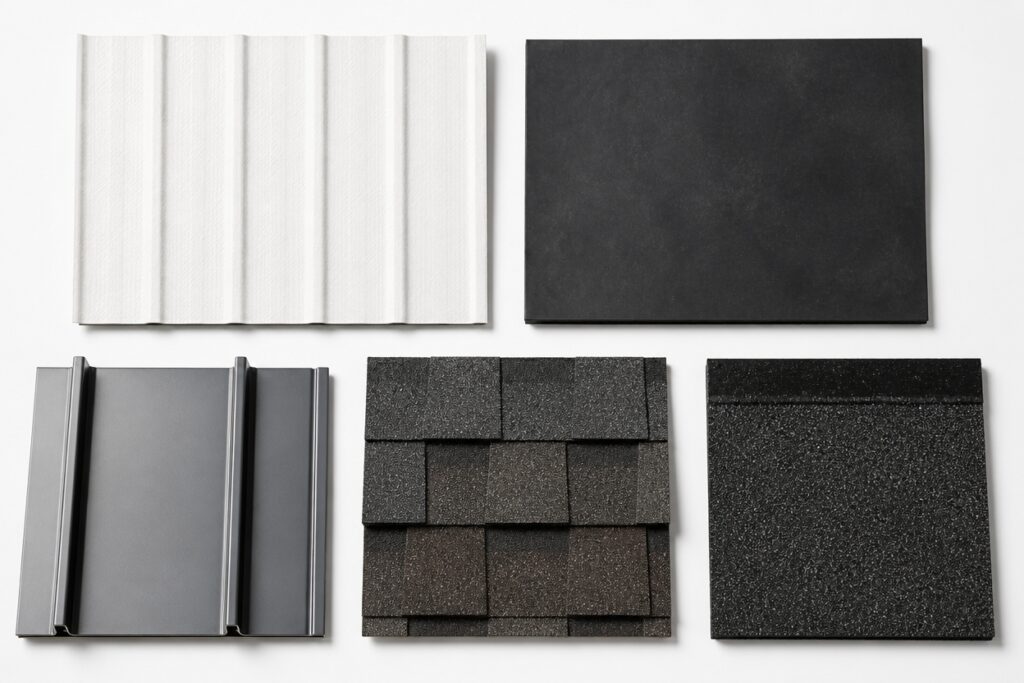
Choosing a roof for your commercial building feels like a big decision because it is. TPO, EPDM, PVC, metal, and asphalt each bring something different to the table. Some options keep your upfront costs down. Others promise decades of reliable protection.
So much depends on your specific situation. Your local climate matters. Your maintenance budget matters. The day-to-day demands of your building matter too. There is no single answer that works for everyone.
That is where a little knowledge goes a long way. By understanding what each material does best, you can match your choice to what your building actually needs.
The goal is simple: a roof that serves you well now and stays strong for years to come.
What Matters Most: Your Commercial Roofing Selection Framework
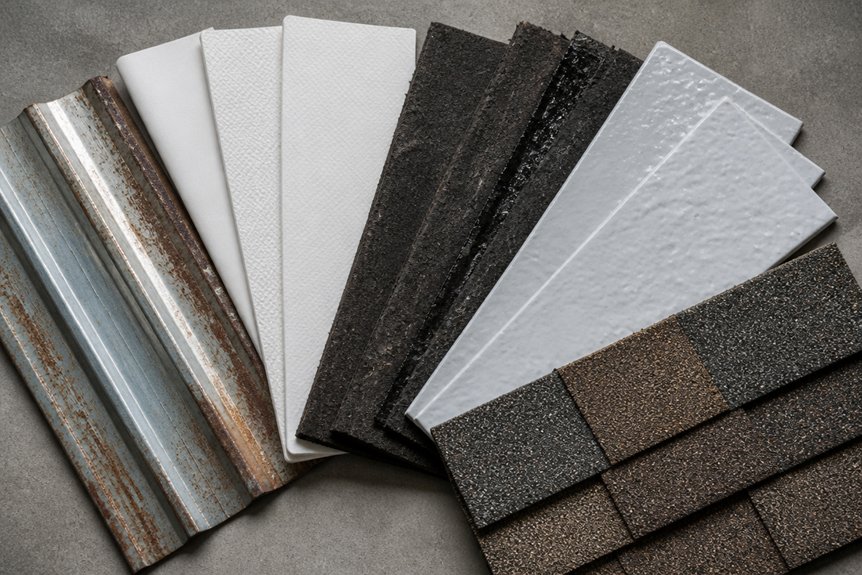
Your Commercial Roofing Selection Framework
Several critical factors shape the commercial roofing selection process. Understanding these elements helps building owners make informed decisions.
Climate Conditions
Temperature extremes and precipitation levels impact material performance. They also affect overall longevity. Choose materials rated for your local weather patterns.
Building Structure
Weight capacity determines which options are viable. Flat roofs are common in commercial properties. Structural limitations may rule out heavier materials.
Budget Considerations
Premium materials like TPO membranes cost more upfront. Economical alternatives such as asphalt offer savings initially. Factor in lifespan when comparing prices.
Maintenance Needs
Metal roofs demand less upkeep over time. Tar-and-gravel systems require more regular attention. Plan for ongoing costs beyond installation.
Energy Efficiency
Ratings affect long-term operational costs. Cool roofing options can reduce summer cooling loads. Look for ENERGY STAR certified products when possible.
Codes and Regulations
Building codes may restrict certain materials. Local regulations vary by municipality. Always verify compliance before finalizing your selection.
Warranty Protection
Terms typically range from ten to twenty years. Longer coverage often indicates manufacturer confidence. Read exclusions carefully to understand what’s covered.
TPO Roofing: Budget-Friendly and Energy-Efficient
TPO, or thermoplastic polyolefin, has become a popular choice for commercial buildings. It strikes a solid balance between affordability and performance.
This single-ply membrane reflects sunlight and reduces cooling costs. That makes it energy-efficient for most climates.
TPO roofing typically runs between $4.50 and $8.00 per square foot. It sits comfortably in the mid-range for commercial roofing options.
The material holds up well against UV radiation, ozone, and chemical exposure. With proper care, it lasts 15 to 20 years.
Installation uses heat-welding to seal the seams. This creates strong, watertight bonds that hold up over time.
TPO works best on flat or low-slope roofs. These are common in commercial settings.
The material stays flexible even as temperatures change. That means it can handle normal building movement without cracking.
EPDM Rubber: The Affordable, Low-Maintenance Standard
EPDM rubber roofing is a single-ply membrane made from ethylene propylene diene monomer. Commercial building owners trust it as a dependable, cost-effective choice.
This material stands up well to UV rays, ozone, and weathering. A properly installed EPDM roof can last 40 to 50 years.
Maintenance needs stay minimal. You’ll mainly need periodic inspections and occasional debris removal.
Installation typically involves adhering or mechanically fastening the membrane to the roof deck. Contractors seal seams with specialized tape or liquid adhesives.
Membrane thickness ranges from 45 to 90 mils. Thicker options add extra durability for demanding applications.
The classic black surface absorbs heat, which can warm your building. Applying reflective coatings helps cut cooling costs and boost energy efficiency.
EPDM stays flexible over time. This allows it to handle building movement and temperature swings without tearing or cracking.
PVC Roofing: Chemical-Resistant Durability
PVC roofing stands out for buildings in harsh environments. It offers superior chemical resistance and durability compared to many alternatives.
EPDM rubber costs less and bends easily. But PVC handles oils, solvents, and industrial fumes far better. Its thermoplastic makeup allows heat-welded seams. These bonds prove stronger than EPDM’s adhesive approach.
Sunlight reflects off PVC surfaces effectively. This quality cuts cooling expenses in warm regions. Installation demands specialized training and proper equipment. With regular upkeep, these roofs last 20 to 30 years.
Chemical plants, factories, and restaurants gain the most from PVC. Its protective qualities handle tough conditions that damage other materials.
Metal Roofing: Built to Last Decades
Metal roofs last 40 to 70 years. They need very little upkeep over that time.
Three materials stand out for commercial use. Aluminum fights off corrosion near the ocean. Steel brings strength without breaking the budget. Copper forms a natural patina that protects it for generations.
These roofs handle tough conditions well. High winds, heavy snow, and severe storms pose little threat. They hold strong when other materials fail.
The upfront cost runs higher than traditional roofing. Yet the long lifespan means fewer replacements down the road. Regular checkups and small fixes keep everything running smoothly.
Reflective coatings boost energy efficiency. They cut cooling costs noticeably during hot months.
Asphalt Roofing: Affordable Flat Roof Protection
Why Asphalt Roofing Works for Flat Roofs****
Commercial buildings often need affordable protection for flat or low-slope surfaces. Asphalt roofing fills that need. It costs less than metal or single-ply systems while still delivering solid performance.
Two popular styles dominate this category. Built-up roofing (BUR) stacks multiple layers of tar and gravel. This creates excellent durability and weather resistance. Asphalt roll roofing works differently. Installers apply single sheets with adhesive or nails for quicker completion.
Both options handle tough conditions. UV rays, heavy rain, and shifting temperatures rarely cause serious problems. The material flexes with the building and sheds water effectively.
Keeping Your Roof in Good Shape
Simple maintenance extends any asphalt roof’s life. Schedule inspections twice yearly. Clear away leaves and debris promptly. Patch small cracks before they widen or allow leaks.
Most asphalt flat roofs last 15 to 20 years with basic care. Budget around $1.50 to $3.00 per square foot for installation. That price point helps property owners protect their buildings without overspending.
Compare Installation and Maintenance Costs
Roofing materials vary widely in price. Property owners need to look at both upfront costs and long-term expenses before making a choice.
Asphalt shingles cost less to install. Prices typically run from $3 to $5 per square foot. But they need more attention over time. Expect repairs and full replacement every 15 to 20 years.
Metal roofing starts at a higher price point. Installation runs around $7 to $12 per square foot. The tradeoff comes later, though. Metal needs very little maintenance and holds up for decades.
TPO and EPDM membranes sit in the middle. They offer balanced pricing alongside solid durability.
Every roof needs some ongoing care. Inspections, sealant touch-ups, and debris clearing all add to your budget. These tasks matter for any material you select.
Looking at the full lifecycle tells the real story. Premium materials often save money over time. That higher initial investment frequently pays off through reduced upkeep and longer service life.
Roofing Material Lifespan: What to Expect
How Long Will Your Commercial Roof Last?
A commercial roof’s lifespan depends on several factors. Material type, installation quality, and maintenance all play important roles.
Common Roofing Materials
Built-up roofs typically serve you for 15 to 20 years. Metal roofing stands out with an impressive 40 to 70 year lifespan. TPO and EPDM membranes usually protect your building for 20 to 30 years. Asphalt shingles on commercial structures last about 20 to 25 years.
What Affects Durability
Climate conditions matter. Heavy foot traffic wears down surfaces faster. Constant weather exposure takes its toll over time.
The Value of Maintenance
Regular inspections catch small problems early. Prompt repairs prevent bigger headaches later. Proper drainage systems protect against water damage.
Smart Planning
Understanding your roof’s expected lifespan helps you budget wisely. You can plan maintenance schedules with confidence. Knowledge now prevents surprises down the road.
Your Roofing Selection Checklist
Start with the basics. Selecting commercial roofing material depends on budget, climate, building use, and maintenance plans. These factors shape every decision you make.
Evaluate your specific needs. Consider weather exposure, foot traffic, and energy efficiency. Each plays a role in finding the right fit.
Understand your material options. TPO, EPDM, metal, and asphalt each bring their own strengths and trade-offs. Compare them carefully.
Look beyond upfront costs. Installation and future repairs both belong in your budget. Short-term savings can lead to long-term headaches.
Check warranty terms and contractor experience. These protect your investment. Quality installation matters as much as the material itself.
Match materials to your climate. Reflective membranes work well in hot areas. Cold regions need impact resistance. Choose accordingly.
Use this checklist to align your decision with facility needs and financial limits. It helps you avoid expensive mistakes down the road.
Frequently Asked Questions
How Do Weather Conditions and Climate Affect Which Roofing Material I Should Choose?
Weather and climate greatly influence roofing material selection. UV exposure, precipitation levels, temperature fluctuations, and wind speeds determine material durability and performance. UV-intense regions favor reflective coatings, while areas with heavy snow require stronger load-bearing capacity materials.
What Permits or Building Codes Apply to Commercial Roofing Material Installation?
Like steering through a maze, commercial roofing installations must comply with local building codes, fire ratings, wind resistance standards, and energy efficiency requirements. Permits guarantee structural integrity, safety compliance, and adherence to zoning regulations before installation begins.
Can I Install a New Roof Over My Existing Commercial Roofing Material?
Installing new roofing over existing commercial material is possible but requires structural assessment to confirm the building can support added weight. Most codes permit one overlay, though complete removal is often recommended for ideal performance and warranty coverage.
What Warranties Are Typically Offered With Different Commercial Roofing Materials?
Commercial roofing warranties vary by material. TPO and EPDM typically offer 10-20 year coverage. Metal roofing often provides 20-50 years. Built-up roofing generally includes 10-15 year warranties. Manufacturers frequently offer extended options for additional costs.
How Do I Know When My Commercial Roof Needs Replacement Versus Repair?
Like a ship’s hull showing signs of irreparable damage, commercial roofs require replacement when widespread deterioration, multiple leaks, or structural compromise occur. Minor localized damage warrants repair; extensive wear, age exceeding manufacturer lifespan, or systemic failures demand replacement.
Conclusion
Selecting commercial roofing requires weighing climate, budget, and building type. TPO offers energy savings, EPDM provides longevity, PVC resists chemicals, metal endures decades, and asphalt costs less. Installation and maintenance expenses vary considerably. Property managers must evaluate lifespan expectations, comparing twenty-year performance against initial investment. Like ancient Romans evaluating aqueduct materials, today’s decision-makers balance durability against practicality, ensuring their choice aligns with specific operational demands and financial constraints.