
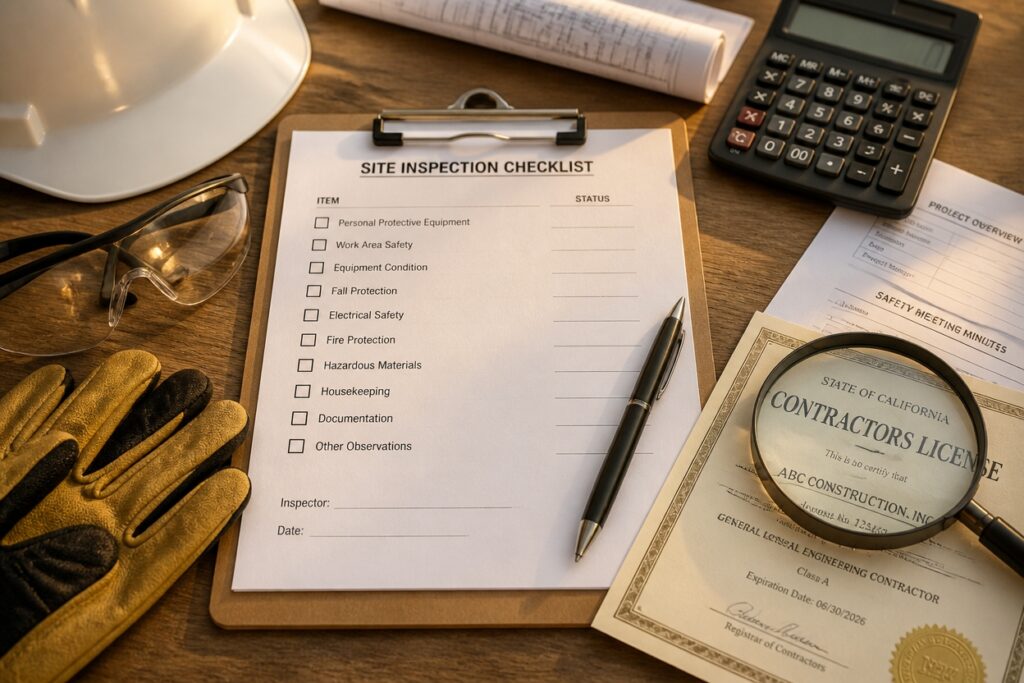
Hiring a contractor means more than just finding someone who can swing a hammer. Before anyone steps onto your property, a few key checks can save you from headaches down the road.
Start with the basics. A current license tells you they meet your state’s standards, and insurance protects you if something goes wrong. These documents aren’t just paperwork. They’re your safety net.
But here’s the thing. Verifying credentials is only the beginning.
Think of it as laying the groundwork for a project that runs smoothly from start to finish.
Understand What License Type Your Project Requires
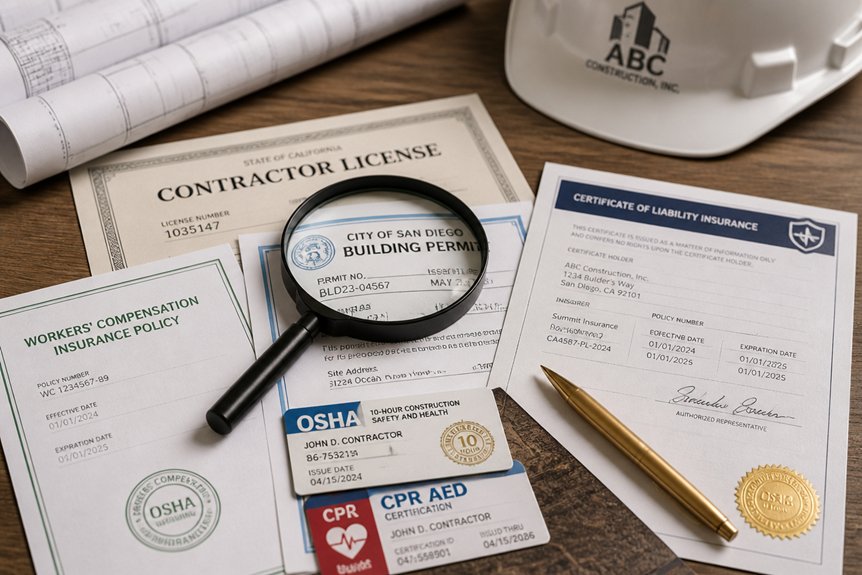
Most construction projects need specific contractor licenses. These vary by scope, location, and trade.
General contractors manage overall projects. Specialized licenses cover electrical, plumbing, HVAC, and roofing work.
Residential projects often need different licensing than commercial or industrial jobs. State and local agencies set the requirements. They also determine classifications and renewal periods.
Some jurisdictions use unlimited or limited licenses. These distinctions typically depend on project dollar amounts.
Contractors should verify local building department requirements early. Do this before bidding or starting any work.
Understanding license classifications matters. It helps prevent legal violations, project delays, and financial penalties.
Verify the Contractor’s License Status
After identifying the correct license type, check that the contractor holds a valid, current license. Most states maintain online databases for searching contractor names, license numbers, and expiration dates.
California’s Contractors State License Board and Florida’s Department of Business and Professional Regulation both offer accessible public records. Verifying directly with the licensing authority prevents hiring unlicensed workers.
Contractors should provide their license number without hesitation. Check the expiration date carefully, since expired licenses indicate lapsed standing.
This verification protects against fraud. It also guarantees regulatory compliance and confirms the contractor meets your state’s requirements.
Confirm Active Insurance Coverage
Valid insurance coverage protects both homeowners and contractors during project work.
Request current insurance certificates from any contractor you hire. Check the coverage amounts and policy dates carefully.
Essential insurance types include general liability. This covers property damage and injuries. Workers’ compensation is also required in most states for employees.
Ask contractors to prove their policies are active and unexpired. You can also contact insurance companies directly to confirm coverage details.
Adequate coverage usually ranges from $300,000 to $1,000,000. The right amount depends on your project scope.
Missing or insufficient insurance creates serious financial risk. Accidents or damage during construction could cost you dearly without proper coverage.
Check for Liens and Disciplinary Complaints
Beyond confirming insurance protection, homeowners should investigate a contractor’s financial and legal history. State licensing boards maintain public records that detail liens, judgments, and disciplinary complaints.
Liens indicate unpaid debts to suppliers or subcontractors. This often signals cash flow problems. Disciplinary complaints reveal patterns of poor workmanship, contract violations, or fraudulent practices.
You can access these records through your state licensing board website or local courthouse. The process is straightforward and usually free.
Reviewing complaint history helps you spot the difference between contractors with recurring issues and those with isolated incidents. This step protects you from hiring someone with questionable financial responsibility or a poor professional track record.
Validate Workers’ Compensation and Bonding
Workers’ compensation insurance and bonding protect you from financial liability. They cover injuries that happen on your property during a project.
Ask your contractor for proof of current workers’ compensation coverage. You can verify this directly with your state labor department.
Bonding offers extra security. It covers incomplete work and property damage if something goes wrong.
Request certificates of insurance that name you as an additional insured. Make sure the coverage limits fit your project size.
Check that bonds stay active for the entire project timeline. Call the contractor’s insurance provider to confirm the policy is valid.
Ask for updated documents if any policies are set to expire soon.
Review Contract Terms and Scope of Work
A solid contract protects everyone involved. It sets clear expectations between you and your contractor from day one.
Your scope of work needs specifics. List exact materials, labor duties, and realistic timelines. Check start dates, completion dates, and how payments will work. Know the process for handling changes too.
Warranties matter. So do cleanup duties and who pulls permits. Compare every quote against the contract word for word. Look closely at insurance, liability limits, and how disputes get resolved. Simple, clear language keeps misunderstandings away.
Know Your Legal Protections if Work Goes Wrong
Even with a detailed contract, problems can still happen. Homeowners should know their rights.
Warranty requirements vary by state. Many require written warranties for workmanship and materials. Check your local laws to understand what coverage applies.
Lien laws protect your property. They prevent unpaid subcontractors from placing claims against your home. This keeps you from owing money you already paid to your contractor.
Dispute resolution options can save you time and money. Mediation and arbitration clauses offer paths outside of court. These alternatives often resolve conflicts faster than litigation.
Insurance coverage matters. Verify that your contractor carries liability insurance and workers’ compensation. These policies protect you financially if injuries or property damage occur during the project.
What to Do if Red Flags Appear
Recognizing warning signs during a contractor project helps you avoid costly mistakes. Red flags include requests for full payment upfront. Missing licenses, written contracts, or insurance certificates also warrant attention.
Watch for contractors who pressure you to decide quickly. Unregistered vehicles and reluctance to share references are additional concerns. Incomplete work, abandoned projects, or poor communication signal bigger problems ahead.
Document everything with photos and written notes. Contact your local licensing board or file complaints with the Better Business Bureau. When serious issues emerge, stop work immediately and consult a legal professional to protect your financial interests.
Frequently Asked Questions
How Do I Know if a Contractor’s License Is Transferable to Different States?
Contractor licenses are state-specific and generally non-transferable. Each state maintains independent licensing requirements, exams, and regulations. Contractors must apply separately in each state where they plan to operate and meet that jurisdiction’s specific qualifications.
What’s the Difference Between General Liability and Professional Liability Insurance?
General liability insurance covers bodily injury and property damage claims from third parties. Professional liability insurance protects against negligence claims related to professional services rendered, covering errors and omissions.
Can I Hire an Unlicensed Contractor if They Work Under a Licensed Contractor?
Generally, unlicensed workers may perform tasks under a licensed contractor’s supervision, though regulations vary by jurisdiction and trade type. The licensed contractor typically assumes legal responsibility for all work performed on the project.
How Far Back Should I Check a Contractor’s Complaint and Disciplinary History?
Like peering through a contractor’s professional mirror, one should examine at least five to seven years of complaint and disciplinary history, ensuring adequate scrutiny of their track record and reliability.
What Insurance Coverage Amounts Are Typically Required for Residential Versus Commercial Projects?
Residential projects typically require $300,000-$1 million general liability coverage, while commercial projects demand $1-$2 million or higher. Workers’ compensation thresholds vary by state and project scope. Specific requirements depend on local regulations and contract terms.
Conclusion
A thorough contractor license and insurance checklist protects property owners from significant financial losses. For example, a homeowner who hired an unlicensed contractor for a roof replacement faced $50,000 in damages when the work failed, plus legal complications because the contractor lacked liability insurance. Verifying credentials, insurance certificates, and disciplinary history before signing any contract prevents costly mistakes and guarantees project accountability.