
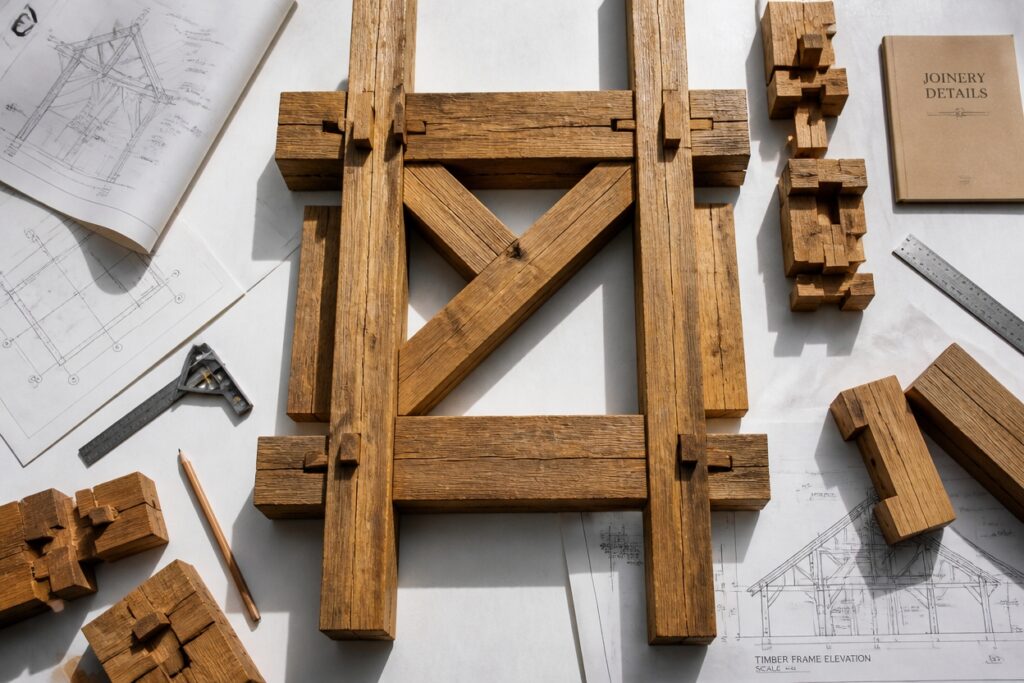
Timber frame pergola kits can transform an ordinary backyard into something truly special. But before you start dreaming of morning coffee beneath the beams, a little groundwork goes a long way.
Start by taking a honest look at your space.
Measure twice, check where the sun lands, and think about how you actually want to use the area. The right kit depends so much on these quiet details we often overlook in the excitement.
Foundation choices and material selection matter more than you’d expect, especially when your climate throws曲线 balls your way.
Getting these elements right means your pergola stays beautiful and functional season after season.
Check Your Site: Sun, Wind, and Drainage
Sun Exposure
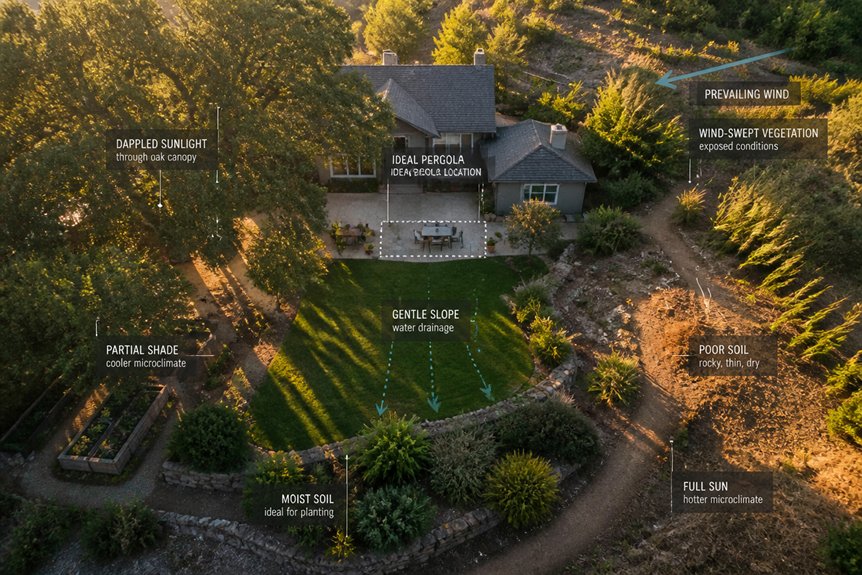
South-facing spots get the most sunlight. North-facing areas stay cooler and shaded. Choose based on how you plan to use the space.
Wind Patterns
Wind can wear down your pergola over time. This matters most near coasts or in open yards. Strong gusts put extra pressure on joints and hardware.
Drainage
Good drainage keeps wood rot away. Watch where rainwater pools after a storm. Standing water near the base signals a problem.
Clay soil holds moisture longer than sandy soil. Slope the ground away from your structure. This simple step adds years to your pergola’s life.
Measure Your Space and Choose Dimensions
Start by measuring your yard. Walk the space with a tape measure and record the length and width in feet. Be precise here. Small errors can cause big headaches later.
Standard pergola kits run from 8×8 feet up to 12×16 feet. Custom sizes are available if you need something different. Leave room around all sides for walking and upkeep. Check how close you’ll be to property lines, trees, and your house.
Grab a pencil and sketch your yard layout. This simple step helps you picture where the pergola will sit. Think about your existing plants, paths, and patio furniture. The right dimensions balance function with keeping your yard feeling open.
Choose Your Kit’s Wood Species and Climate Rating
Two factors decide how long your timber frame pergola will last. Wood species and climate rating matter most.
Cedar and redwood fight rot naturally. They work well in rainy areas. Pressure-treated lumber balances cost and strength across many climates. Tropical hardwoods handle harsh weather but cost more.
Climate ratings show temperature limits, humidity tolerance, and UV resistance. Always check manufacturer specs for your area. Desert heat differs from coastal salt air.
Match your wood choice to the right climate rating. This step prevents early decay. Your pergola stays strong for years to come.
Compare Kit Contents and Packages
Most kits come with pre-cut beams, rafters, brackets, and hardware. Some packages include posts and footings for a complete setup. Basic options may only provide framing materials.
Premium kits often add decorative lattice panels and integrated shade cloth systems. They also use stainless steel fasteners for better durability. Check if electrical components, foundation specs, or installation guides are part of the deal.
Always review the detailed component list before buying. This helps you avoid ordering extra materials later. Documentation should clearly state beam dimensions, span capabilities, and attachment requirements.
Calculate Total Cost and Get Quotes
Timber frame pergola kit prices vary widely. Kit size, material quality, and included parts all affect the final number. Basic kits start near $500. Premium models can top $3,000.
Request quotes from several suppliers. Compare similar specs side by side. Most quotes cover materials, hardware, and delivery. Ask about financing or seasonal discounts. Some companies offer both.
Factor in labor costs if you need professional installation. Review each quote closely. Note what’s included and what costs extra. Gathering three to five quotes helps you spot fair pricing. You’ll also see what sets each supplier apart.
Get Your Site Foundation Ready
A solid foundation keeps your pergola level and stable for years. Start by checking your soil type, drainage, and ground conditions.
Your foundation choice depends on climate and pergola weight. Concrete footings work well for heavy structures. Gravel beds or compacted soil suit lighter builds. In cold regions, dig below the frost line to prevent shifting.
Measure your site carefully. Check that the ground is level. Clear away all debris before you start. This prevents settling problems down the road.
Always check local building codes. They specify how deep and how far apart your posts need to be. Following these rules keeps your project safe and legal.
Assemble Your Pergola: Common Mistakes and Solutions
Start on Solid Footing
Proper assembly demands attention. Small mistakes now become costly problems later. Check everything twice before cutting.
Watch for These Common Errors
Misaligned beams throw off the whole structure. Fasteners placed wrong reduce holding power. Inadequate bracing lets the frame sway and wobble.
Builders often overtighten bolts. This strips threads and weakens the joint. Stick to moderate torque on all hardware.
Skipped diagonal bracing allows lateral movement. Your pergola loses stability fast. Posts that aren’t level create stress points. Wear accelerates where the load sits uneven.
Fix It Right
Double-check every measurement before you cut. Match fasteners to your timber weight and thickness. Apply steady, moderate torque. Don’t crank bolts too tight.
Use temporary bracing during assembly. It keeps beams aligned while you work. Check the manufacturer’s specs for spacing and hardware. Inspect each section before moving on. Quality builds step by step.
Apply Your Finish and Plan for Maintenance
Finish Protection and Appearance
Your timber frame needs protection once structural work wraps up. Exterior stains, sealers, and paints each shield against weather, rot, and insects. They also give different looks. Cedar and redwood need less attention than pressure-treated lumber. Wait for dry conditions in spring or early fall before applying anything.
Keep Up with Maintenance
Inspect your pergola each year. Check for cracks, discoloration, and signs of pests. Clean debris from joints and surfaces regularly. Reapply finish every two to three years. Fix damaged spots quickly. This simple routine prevents bigger problems and keeps your pergola standing strong for years to come.
Frequently Asked Questions
Do I Need a Building Permit Before Installing a Timber Frame Pergola Kit?
Building permit requirements for timber frame pergola kits vary by location and local jurisdiction. Most areas require permits for permanent structures, particularly those exceeding certain height or size specifications. Homeowners should consult their local building department before installation.
Can a Pergola Kit Be Customized or Modified After Purchase?
Approximately 60% of pergola purchasers modify their kits post-purchase. Most timber frame pergola kits accommodate customization through adjustable components, additional lattice panels, and integrated accessories. Modifications require basic carpentry skills and compatibility verification with the original structure.
What Is the Typical Lifespan of a Timber Frame Pergola?
Timber frame pergolas typically last 15-25 years with proper maintenance. Quality wood selection, regular sealing, and protective treatments greatly extend their lifespan. Climate conditions and environmental factors also influence durability and longevity considerably.
How Do I Remove or Relocate My Pergola if Needed Later?
Like dismantling any structure built with precision, removing a timber pergola requires reversing the assembly process. One should unfasten bolts and hardware systematically, document beam configurations, and recruit adequate help. Relocation involves careful disassembly, inventory management, and reinstallation at the new site.
Are There Warranty Options Available for Timber Frame Pergola Kits?
Warranty options for timber frame pergola kits typically include structural defects coverage, material quality guarantees, and hardware protection. Coverage periods vary by manufacturer, usually ranging from one to ten years depending on components and conditions.
Conclusion
Proper planning of timber frame pergola kits involves evaluating site conditions, selecting appropriate materials, comparing package options, and preparing the foundation. Homeowners who address sun exposure, wind patterns, drainage, dimensions, wood species, and maintenance requirements establish a solid framework for success. Will investing time in these preliminary steps prevent costly mistakes and structural problems later? Thorough preparation guarantees durability, aesthetic appeal, and long-term satisfaction with the completed pergola installation.